Cinema Reviving Authenticity Through Local Storytelling
Discover how modern Cinema embraces hyperlocal storytelling, as Films by indie artists and small production houses draw on real communities and local voices.
INDIE ARTISTS
Mayank Thapa
12/10/20254 min read


In an era where global content floods every platform, Cinema is witnessing an unexpected but powerful shift i.e Authentic, Localized Cinema. This movement centers around Films deeply rooted in real places, real cultures, and real people. Instead of large budgets or flashy sets, indie creators are turning to personal histories, small towns, and community voices to shape stories that resonate more strongly than ever.
What once seemed like a niche experiment has now become a defining trend. With festivals and streaming platforms seeking genuine human experiences, indie artists are leading a revolution, often from a humble production house operating out of a bedroom, garage, or co-working studio. The result? Some of the most compelling Films in contemporary Cinema.
Why Hyperlocal Stories Are Resonating in Modern Films
The hunger for authenticity has grown dramatically in global Cinema. Audiences today are tired of predictable formulas and sanitized, studio-polished narratives. What they crave are Films that feel lived-in and real, stories shaped by specific cultures, local dialects, forgotten towns, and community struggles.
Hyperlocal storytelling does exactly this. By focusing on the micro, one village, one neighborhood, one family, indie artists are capturing universal emotions through specific details. This intimate style distinguishes their work from mainstream productions and helps it stand out in Cinema, where originality is rare.
These stories also serve as cultural preservation. When Films highlight local traditions, folklore, and landscapes, they archive identities that might otherwise disappear. A small production house can become a cultural ambassador without ever leaving its region.
The Role of Indie Artists in Redefining Cinema
It is the rise of indie artists that has made Authentic, Localized Cinema possible. Unlike major studios, they are free from commercial formulas and can experiment boldly with structure, casting, and narrative voice. Their Films often feature non-actors, local artists, and real community members.
A small production house run by a single filmmaker or a tiny team can explore what big budgets overlook:
The quiet charm of a rural street
Raw human emotions untethered to industry expectations
Local dialects and folklore
Every day, people are protagonists
In this environment, Cinema becomes a tool for truth rather than spectacle.
Because indie artists operate with fewer financial constraints, they can spend more time building relationships with communities, listening to their concerns, and crafting stories that amplify unheard voices. Ultimately, their Films feel both personal and communal, a rare combination in contemporary Cinema.
Interviewing Locals: Making Films With, Not Just About, Communities
One of the most powerful aspects of localized storytelling is the use of interviews. Rather than imposing narratives, creators immerse themselves in local stories directly from residents.
Interviewing locals helps indie artists:
Capture authentic speech patterns and dialogue
Unearth local histories not found in books
Understand community issues and emotional truths
Build trust that translates naturally on screen
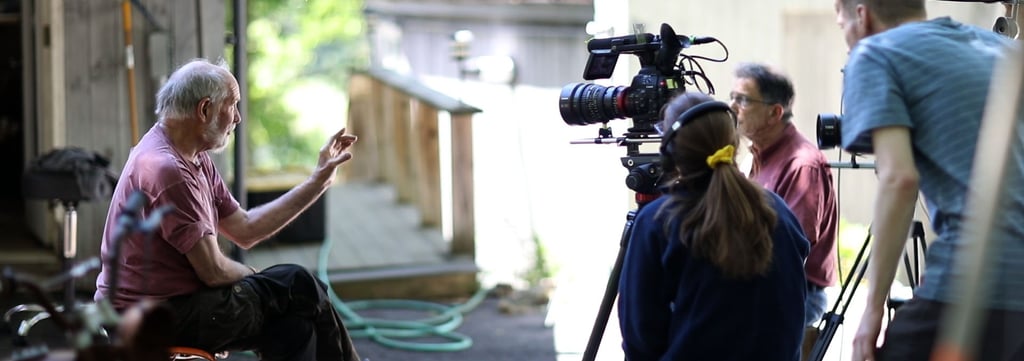
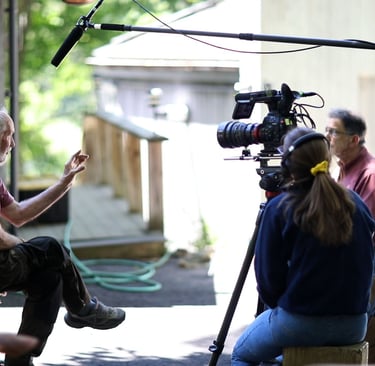
These interviews often become the backbone of a script. Even fictional Films can incorporate the themes, anecdotes, and real-life struggles shared in these conversations.
For a small production house, interviewing locals requires almost no budget, only respect, patience, and curiosity. This simple step elevates the authenticity of Cinema in ways no studio rewrite could achieve.
Community Casting: When Ordinary People Bring Extraordinary Truth
Community casting is another defining practice in Authentic, Localized Cinema. Instead of hiring professional actors, indie artists invite locals to portray characters similar to their real lives.
This brings an unmatched depth to Films because:
Locals understand the setting emotionally
They embody gestures, humor, and behaviors unique to their culture
Their presence grounds the Cinema in reality
Their raw, unpolished reactions feel relatable
The result is a cinematic texture that even experienced actors can struggle to replicate.
In India, Iran, Italy, and regions across Africa and Latin America, award-winning Films have used community casting to stunning effect. For a small production house, this approach also drastically reduces costs, making filmmaking accessible even with minimal resources.
Low-Budget Location Scouting: Turning Real Places Into Cinematic Gold
One of the greatest advantages of localized storytelling for indie artists is that their locations already exist. They just need to be discovered. Unlike mainstream Cinema, which often requires permits, set construction, and long-distance travel, hyperlocal Films rely on real-life spaces full of character.
From abandoned factories to old family homes, narrow alleys, riverbanks, or local cafés, every place holds a story waiting to be filmed. A smart production house looks for:
Strong natural lighting
Textured backgrounds (brick walls, markets, fields)
Quiet spaces for dialogue scenes
Community spaces that add narrative depth
For indie artists, location scouting is not about glamour. It's about finding meaning. A school’s courtyard, a tailor’s shop, or a fishing dock can become the centerpiece of powerful Films that reflect the heart of the community.
This organic visual landscape is precisely what makes Authentic, Localized Cinema so captivating.
Why Authentic Cinema Is the Future for Indie Artists
Authentic, localized storytelling offers enormous advantages for indie artists and small production teams:
1. Budget-Friendly Filmmaking
A small production house can create high-impact Films with minimal equipment because the authenticity itself becomes the visual effect.
2. Audience Connection
Viewers are gravitating toward a cinema that feels human. Hyperlocal details ironically make stories more universal.
3. Festival Appeal
Film festivals actively seek fresh voices and culturally rooted narratives. Authentic Films stand out strongly.
4. Cultural Responsibility
Independent Cinema can preserve languages, rituals, and histories that mainstream media neglects.
5. Creative Freedom
Without studio interference, indie artists can experiment with structure, pacing, and storytelling.
The Rise of the Small Production House Revolution
The rise of the compact, independent production house powers this movement. Many filmmakers today are one-person or two-person armies, writing, shooting, editing, scoring, and distributing their Films themselves.
Their tools:
A DSLR or smartphone
Affordable sound gear
Editing software
Community support
Their advantage:
Full creative control
Authentic access to their surroundings
Ability to work without industry gatekeepers
This democratization has allowed Authentic, Localized Cinema to break into global consciousness. A production house need not be a large corporation. It can be a bedroom studio fueled by passion and cultural pride.
Conclusion: The Power of Real Stories in Films and Cinema
Authentic, Localized Cinema represents a profound shift in how Films are created and consumed. By embracing community casting, interviewing locals, and using low-budget locations, indie artists are producing some of the richest storytelling in contemporary Cinema.
Small towns, personal histories, and cultural details are no longer background elements. They are the stars. And at the center of this movement is the humble production house, proving that meaningful Films don’t require massive budgets, only honesty, creativity, and a deep connection to place.
As audiences continue to hunger for authenticity, the future of Cinema may very well belong to these creators, those who dare to tell the truths of their communities one frame at a time.