Dance Therapy for Better Mental Well-Being and Emotional Expression
Discover how dance therapy supports mental well-being by reducing stress, improving mood, and promoting emotional balance through movement naturally today.
DANCERS
Mayank Thapa
12/29/20255 min read


Dance Therapy and Mental Well-Being
Dance therapy is a powerful approach to healing. It uses movement to support emotional, psychological, and social health. Many people now seek natural ways to feel balanced and calm. Dance therapy offers such a path. It connects the body and the mind through purposeful movement. This article explores how dance therapy improves mental well-being. It explains methods, benefits, science, and practical use in daily life.
Understanding Dance Therapy
Dance therapy is also known as dance movement therapy. It uses guided movement to improve health. Trained therapists lead sessions with clear goals. They observe posture, rhythm, and expression. They then guide participants toward healthy patterns.
Dance therapy does not focus on performance. It values expression over technique. Anyone can take part, regardless of age or ability. This openness makes dance therapy accessible. It also makes the process safe and welcoming.
Mental well-being depends on balance. Thoughts, emotions, and the body must work together. Dance therapy supports this balance. Movement helps people express feelings that words cannot convey. This expression reduces inner pressure and supports mental well-being.
The Link Between Movement and the Mind
The body and mind share a strong connection. When the body moves, the brain responds. Research shows that movement releases helpful chemicals. These include endorphins and serotonin. These chemicals improve mood and focus.
Dance therapy uses this connection with intention. It blends rhythm, breath, and motion. This blend calms the nervous system. It also increases body awareness. As awareness grows, people feel more grounded. This grounding improves mental well-being.
Stress often lives in the body. Tight muscles and shallow breathing signal tension. Dance therapy helps release this stored stress. Gentle movement loosens the body. As the body relaxes, the mind follows.
Emotional Expression Through Dance Therapy
Many people struggle to express emotions. Fear, grief, and anger often stay hidden. Dance therapy creates a safe space for release. Movement becomes a language of feeling.
In dance therapy, a person may move slowly to express sadness. They may move strongly to express anger. The therapist supports this process. They help the person notice changes and patterns. This awareness builds emotional clarity.
Expressing emotions improves mental well-being. It prevents emotional buildup. It also supports self-acceptance. People learn to honor their feelings without judgment. This lesson stays with them beyond the session.
Dance Therapy and Stress Reduction
Modern life brings constant pressure. Work, family, and social demands create stress. If stress stays unchecked, it harms mental well-being. Dance therapy offers an effective response.
Movement shifts attention away from worries. Rhythm creates focus in the present moment. This focus reduces rumination. The mind gets a break from constant thinking.
Dance therapy also improves breathing. Deep and steady breath supports calm. When breath and movement align, stress decreases. Over time, people learn to use movement as a coping tool. This habit strengthens mental well-being.
Support for Anxiety and Depression
Anxiety and depression affect millions of people. These conditions impact thoughts, energy, and motivation. Dance therapy supports recovery in gentle ways.
For anxiety, dance therapy promotes grounding. Repetitive movements and rhythm create safety. The body learns that it is not in danger. This learning reduces anxious responses.
For depression, dance therapy increases energy. Movement activates the body. It also builds a sense of achievement. Even small movements matter. This progress supports hope and motivation. Both results improve mental well-being.
Dance Therapy in Trauma Recovery
Trauma often disconnects people from their bodies. Memories may feel overwhelming. Words may feel unsafe. Dance therapy offers a body-based path to healing.
Therapists move slowly and carefully. They respect boundaries at all times. Participants choose how much to move. This choice restores a sense of control.
Dance therapy helps the body release trapped responses. These responses include freeze or tension. As release occurs, the nervous system stabilizes. This stability supports long-term mental well-being.
Social Connection and Mental Well-Being
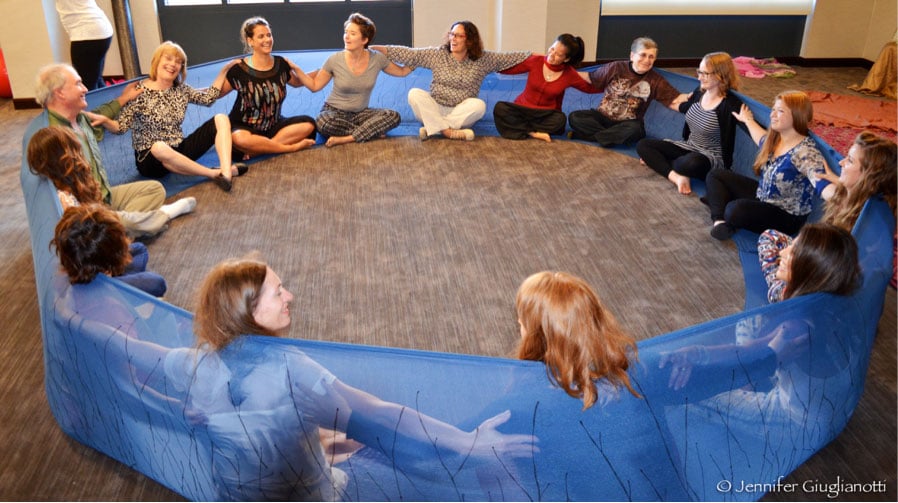
Humans are social beings. Connection supports health and happiness. Dance therapy often includes group sessions. These sessions build trust and empathy.
Moving with others creates shared rhythm. Shared rhythm builds unity. Participants feel seen and accepted. This feeling reduces loneliness.
Group dance therapy also improves communication. People learn to respond to others through movement. This skill strengthens relationships. Healthy relationships support strong mental well-being.
Benefits for Children and Adolescents
Children often express themselves through movement. Dance therapy fits naturally into their world. It helps children process emotions safely.
For adolescents, dance therapy supports identity growth. Teen years bring change and confusion. Movement helps teens explore self-image. It also builds confidence.
Dance therapy can help with behavioral challenges. It improves focus and emotional regulation. These skills support academic and social success. Strong skills lead to better mental well-being.
Benefits for Older Adults
Aging brings physical and emotional changes. Dance therapy supports healthy aging. It improves balance and coordination. It also supports memory and mood.
Movement stimulates the brain. This stimulation supports cognitive health. Dance therapy also reduces isolation in older adults. Group sessions encourage interaction and joy.
Joy plays a key role in mental well-being. Dance therapy brings joy through music and movement. This joy enhances the quality of life.
Scientific Support for Dance Therapy
Many studies support dance therapy. Research shows improvements in mood, stress, and self-esteem. Brain imaging studies show positive neural changes.
Dance therapy activates multiple brain areas. These include areas for emotion, memory, and movement. This activation supports integration. Integration means the brain works as a whole. A whole brain supports mental well-being.
Healthcare systems now recognize dance therapy. It appears in hospitals, schools, and clinics. This recognition reflects growing trust in its value.
How a Dance Therapy Session Works
A typical dance therapy session follows a clear structure. It begins with a warm-up. This phase helps the body feel safe. It also builds awareness.
Next comes exploration. Participants move freely or with guidance. Music may support the process. The therapist observes and supports.
The session ends with reflection. Participants may share verbally or through movement. This reflection helps integrate insights. Integration supports lasting mental well-being.
Practicing Movement at Home
People can support mental well-being at home with simple movement. No special training is needed. Gentle stretching and free movement help.
Choose music that feels supportive. Move in ways that feel natural. Focus on breath and sensation. This practice builds self-awareness.
While home practice helps, professional dance therapy offers deeper support. Trained therapists guide safely and ethically.
Choosing a Qualified Dance Therapist
A qualified dance therapist has formal training. They follow ethical standards. They understand both movement and psychology.
When choosing a therapist, look for certification. Ask about experience and approach. A good match supports comfort and trust. Trust supports mental well-being.
The Future of Dance Therapy
Interest in dance therapy continues to grow. People seek holistic care. They want methods that respect the whole person.
Dance therapy meets this need. It blends science and art. It honors the body as a source of wisdom. This respect supports deep healing.
As awareness grows, more people will benefit. Communities will include movement-based care. This shift will support global mental well-being.
Conclusion
Dance therapy offers a unique path to healing. It uses movement to support emotional health. It reduces stress, anxiety, and depression. It builds connection and joy.
Mental well-being improves when the body and mind work together. Dance therapy strengthens this connection. It invites expression, awareness, and balance.
In a fast-paced world, movement brings us back to ourselves. Dance therapy reminds us that healing can be felt, not just spoken. Through simple movement, people can rediscover strength, calm, and lasting mental well-being.
Frequently asked questions
1. What is dance therapy?
Dance therapy is a therapeutic approach that utilizes movement to support emotional well-being and enhance mental health.
2. How does dance therapy improve mental well-being?
Dance therapy enhances mental well-being by reducing stress, improving mood, and facilitating the expression of emotions through movement.
3. Who can benefit from dance therapy?
People of all ages can benefit from dance therapy, especially those seeking better mental well-being and emotional balance.
4. Is dance therapy effective for stress and anxiety?
Yes, dance therapy helps lower stress and anxiety by calming the body and strengthening mental well-being through mindful movement.
5. Do you need dance experience for dance therapy?
No, dance therapy requires no prior experience and focuses on natural movement to support mental well-being.