Gender Pay Gap in the Arts: Equality Laws and Legal Accountability
Learn how The gender pay gap in the arts persists despite the Equality Laws. Explore the gender wage gap, legal accountability, and solutions for fair pay today.
ARTISTS
Mayank thapa
1/12/20266 min read
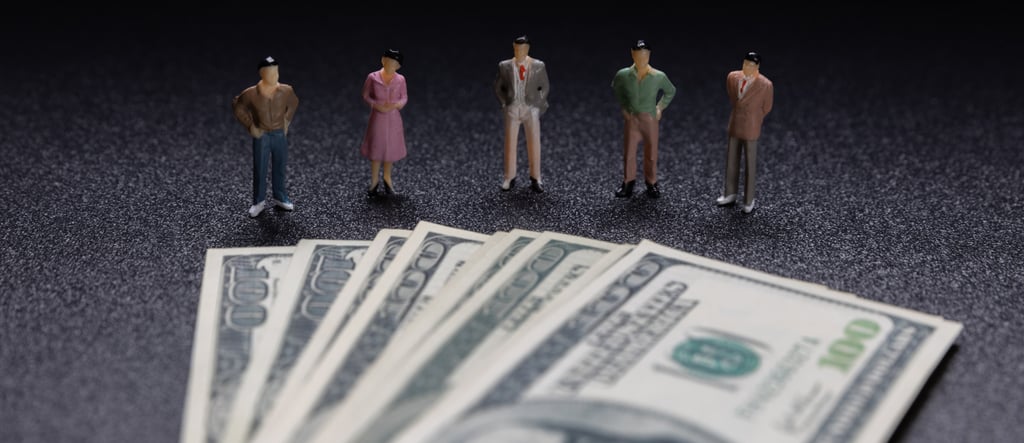
The arts shape culture, influence public thought, and reflect social values. Yet behind creative expression lies a persistent economic inequality. The gender pay gap continues to affect artists across film, music, theatre, dance, and visual arts. Women and gender-diverse professionals earn less than men for comparable work. This reality raises serious questions about fairness, accountability, and the effectiveness of Equality Laws.
This article examines the gender wage gap in the arts, the legal frameworks meant to address it, and the accountability mechanisms that still fall short. It relies on documented industry patterns, legal principles, and institutional practices.
Understanding the Gender Pay Gap in the Arts
The gender pay gap refers to the average difference in earnings between men and women. In the arts, this gap appears across multiple roles. Female actors earn less than male actors. Women directors receive lower budgets. Female musicians earn less from touring and streaming.
The gender wage gap persists even when experience and skill levels match. Studies across creative industries show that women earn between 20 and 30 percent less than men on average. This gap widens at senior and leadership levels.
The arts often rely on freelance work and short-term contracts. These structures reduce transparency. Without standardized pay scales, unequal compensation becomes harder to detect. As a result, the gender pay gap often hides behind claims of “market value” or “individual negotiation.”
Why the Gender Wage Gap Persists in Creative Industries
Several structural factors sustain the gender wage gap. First, decision-making roles remain male-dominated. Men control budgets, casting, and commissions. This imbalance affects who gets hired and paid.
Second, informal hiring practices dominate the arts. Networks and referrals matter more than formal applications. These systems often exclude women and reinforce existing power structures.
Third, caregiving responsibilities affect career continuity. Women experience more career interruptions. In industries that reward constant visibility, this leads to lower pay and fewer opportunities.
Despite talent parity, these conditions allow the gender pay gap to continue unchecked. Without enforcement, Equality Laws struggle to address systemic bias.
Gender Pay Gap in Film and Television
Film and television provide clear examples of pay inequality. High-profile cases reveal large earnings gaps between male and female leads. Male actors consistently receive higher salaries and backend deals.
Behind the camera, the disparity grows. Women directors receive smaller budgets. Smaller budgets reduce box office potential, which then justifies lower future pay. This creates a cycle that reinforces the gender wage gap.
Writers face similar issues. Male writers dominate top-paid roles in television. Women writers earn less per episode on average. These patterns reflect structural inequality rather than individual performance.
While Equality Laws prohibit discrimination, enforcement remains weak. Many contracts include confidentiality clauses that prevent salary comparisons.
Gender Wage Gap in Music and Performing Arts
The music industry shows a persistent gender pay gap across performance, royalties, and leadership roles. Male artists dominate festival lineups. They receive higher performance fees and stronger promotion.
Streaming data shows similar patterns. Male artists earn more due to algorithmic exposure and playlist placement. Female musicians receive fewer marketing resources, which reduces reach and income.
In theatre and dance, women perform in large numbers but earn less in leadership roles. Male directors and composers dominate higher-paying creative positions.
The gender wage gap in these fields reflects access inequality, not talent. Equality Laws exist, but they rarely reach freelance performers who lack legal support.
The Role of Equality Laws in Addressing Pay Disparity
Equality Laws aim to ensure equal pay for equal work. Many countries include gender equality provisions in labor legislation. These laws prohibit direct and indirect pay discrimination.
In theory, Equality Laws apply to the arts. In practice, enforcement proves difficult. Freelance contracts, project-based work, and private negotiations complicate legal claims.
Pay transparency forms a key element of effective enforcement. Without disclosure, workers cannot prove discrimination. Many legal systems now recognize transparency as essential to closing the gender pay gap.
Still, legal protection alone does not guarantee equality. Accountability mechanisms must support Equality Laws with real consequences.
Legal Accountability and Enforcement Challenges
Legal accountability requires access to justice. Many artists lack the resources to pursue claims. Legal action costs time and money. Fear of blacklisting also discourages reporting.
The burden of proof often falls on the claimant. Women must demonstrate unequal treatment. Without comparative data, this becomes nearly impossible.
Employers may justify pay differences using subjective criteria. Courts sometimes accept these explanations. This weakens the impact of Equality Laws.
As a result, the gender wage gap persists even in jurisdictions with strong legal frameworks. Accountability depends not only on law but also on enforcement culture.
Pay Transparency as a Legal Tool
Pay transparency reduces inequality. When organizations disclose pay ranges, disparities become visible. Transparency allows artists to negotiate fairly.
Several countries now mandate pay reporting. These measures expose the gender pay gap across industries. In creative sectors, transparency remains limited.
Studios and production houses often resist disclosure. They argue that negotiation flexibility benefits creativity. In reality, secrecy benefits those already in power.
Strong Equality Laws increasingly include transparency requirements. These reforms represent one of the most effective tools against the gender wage gap.
Intersectionality and the Gender Pay Gap
Gender does not operate alone. Race, disability, and class compound inequality. Women of color face larger pay gaps than white women. Disabled women earn even less.
The arts reflect these patterns. Leadership roles remain inaccessible to marginalized groups. Intersectional discrimination deepens the gender pay gap.
Equality Laws increasingly recognize intersectionality. However, legal remedies still focus on single-axis discrimination. This limits their effectiveness.
Addressing the gender wage gap requires inclusive legal frameworks. Laws must reflect lived realities across identities.
Accountability of Institutions and Employers
Institutions play a key role in enforcing equality. Funding bodies, broadcasters, and cultural institutions influence pay practices.
Public funding creates leverage. Governments can require compliance with Equality Laws as a condition of grants. Some arts councils already impose equality standards.
Private institutions face less pressure. Without regulation, they may ignore pay disparity. Voluntary commitments often fail to deliver results.
Legal accountability must extend beyond individuals. Systemic change requires institutional responsibility to close the gender pay gap.
Unions, Guilds, and Collective Action
Collective bargaining strengthens equality. Unions and guilds negotiate minimum pay rates. They reduce reliance on individual negotiation.
In unionized environments, the gender wage gap narrows. Standardized pay scales reduce bias. Transparent agreements support the enforcement of Equality Laws.
However, many artists work outside unions. Freelancers remain vulnerable. Expanding collective coverage would help address pay inequality.
Legal frameworks should support union access. Strong collective rights reinforce Equality Laws and improve accountability.
Cultural Attitudes and Economic Value
Cultural bias influences economic value. Society often undervalues work associated with women. This bias affects pay decisions in the arts.
Leadership traits receive gendered interpretations. Assertive men receive praise. Assertive women face criticism. These attitudes influence compensation.
The gender pay gap reflects both legal and cultural failures. Equality Laws address discrimination, but culture shapes behavior.
Education and awareness must support legal reform. Changing norms helps laws function effectively.
Global Perspectives on Gender Pay Equality
International organizations recognize the gender wage gap as a global issue. Human rights frameworks promote pay equity as a fundamental right.
Some countries adopt proactive enforcement. Others rely on individual complaints. Outcomes vary widely.
Global creative industries operate across borders. Artists work internationally. This creates regulatory gaps.
Harmonizing Equality Laws across jurisdictions would improve accountability. International cooperation can strengthen enforcement.
Measuring Progress and Remaining Gaps
Progress remains slow. While awareness has increased, the gender pay gap persists. Leadership inequality continues.
Data collection improves understanding. Regular reporting exposes trends. However, many creative sectors still lack reliable data.
Without measurement, accountability fails. Effective Equality Laws depend on evidence-based enforcement.
Closing the gender wage gap requires sustained effort. Legal reform, transparency, and cultural change must work together.
Conclusion: Toward Real Equality in the Arts
The gender pay gap in the arts reflects systemic inequality. Talent does not determine pay. Power does.
The gender wage gap persists despite existing Equality Laws. Weak enforcement, secrecy, and cultural bias undermine progress.
Legal accountability must improve. Transparency, collective action, and institutional responsibility offer clear solutions.
Equality in the arts strengthens creativity. Fair pay allows diverse voices to thrive. When Equality Laws work effectively, the arts reflect justice as well as imagination.
Closing the gap is not optional. It is a legal, ethical, and cultural necessity.
Frequently asked questions
1. What is the gender pay gap in the arts?
The gender pay gap in the arts refers to the average difference in earnings between men and women across creative roles.
2. How is the gender wage gap different from the gender pay gap?
The gender wage gap focuses on pay differences for similar roles, while the gender pay gap measures overall income inequality.
3. Why does the gender pay gap persist in creative industries?
The gender pay gap persists due to unequal access to leadership roles, lack of pay transparency, and weak enforcement of Equality Laws.
4. How do Equality Laws address the gender wage gap?
Equality Laws require equal pay for equal work and prohibit discrimination, helping reduce the gender wage gap when enforced.
5. Can Equality Laws fully close the gender pay gap in the arts?
Equality Laws help, but closing the gender pay gap also requires transparency, accountability, and cultural change.