Paparazzi Laws and Media Ethics: Balancing Privacy and the Public Eye
Understand how Paparazzi laws and media ethics shape Paparazzi reports on public figures, balancing privacy, press freedom, safety, and responsible journalism.
ARTISTS
Mayank Thapa
1/7/20266 min read


The Paparazzi have become a permanent part of modern celebrity culture. Armed with cameras and driven by demand, they follow public figures everywhere. Their images dominate news sites, social media, and tabloids. While these photographs fuel entertainment journalism, they also raise serious legal and ethical questions. This is where Paparazzi laws and media ethics play a crucial role.
This article explores how the law regulates the Paparazzi, how media ethics guide responsible reporting, and how society can balance privacy with freedom of the press.
Who Are the Paparazzi?
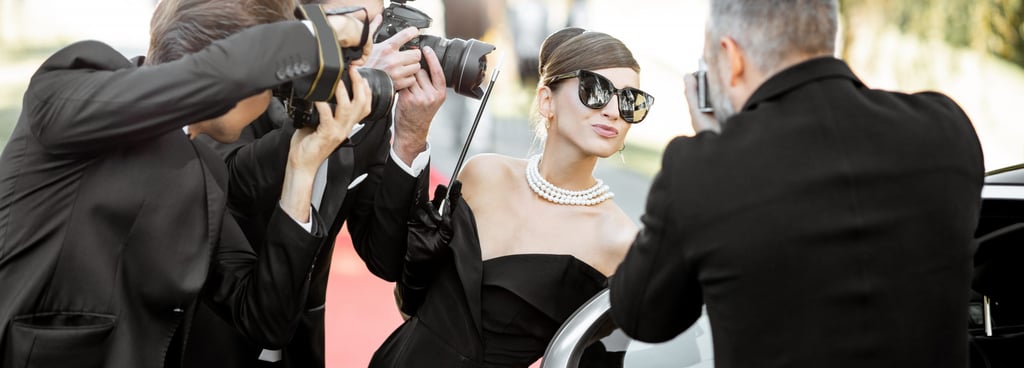
The Paparazzi are independent photographers who capture images of celebrities, public figures, and influencers. They work outside traditional news organizations and sell photographs to media outlets for profit. Their work focuses on candid moments rather than planned appearances. This approach makes their images more valuable but also more controversial.
The Paparazzi operate in public spaces such as streets, airports, and restaurants. While the law often allows photography in public, problems arise when photographers become aggressive. Chasing vehicles, blocking movement, or invading personal space raises legal and ethical concerns. This behavior brings Paparazzi laws and media ethics into sharp focus.
Unlike trained journalists, many Paparazzi do not follow formal editorial guidelines. Their motivation often centers on exclusivity and speed. This creates pressure to cross boundaries. As a result, lawmakers and media regulators increasingly scrutinize Paparazzi behavior.
Understanding who the Paparazzi are helps explain why regulation matters. Without clear Paparazzi laws and media ethics, the line between journalism and harassment becomes dangerously thin.
The Rise of Paparazzi Culture
Celebrity culture expanded with television, tabloids, and digital media. Social platforms increased the value of instant visuals. The Paparazzi adapted quickly to this change.
Today, smartphones and high-speed sharing make invasive photography easier. Celebrities face constant surveillance. Without strong Paparazzi laws and media ethics, this culture can harm personal dignity and safety.
Understanding Paparazzi Laws
Paparazzi laws exist to protect individuals from invasion of privacy, harassment, and stalking. These laws do not ban photography outright. Instead, they define limits on how photographers operate. The law often distinguishes between public and private spaces.
In public places, the Paparazzi usually enjoy broader legal freedom. However, repeated chase, intimidation, or obstruction can violate harassment laws. In private spaces, the law offers stronger protection. Unauthorized photography inside homes, hospitals, or private events often leads to legal consequences.
Paparazzi laws and media ethics also address safety concerns. High-speed chases or aggressive crowding put lives at risk. Legislators introduced stricter penalties to prevent such conduct. These laws aim to protect both celebrities and the general public.
Legal rules set minimum standards of behavior. However, the law alone cannot regulate intent or judgment. That is why Paparazzi laws and media ethics must work together to ensure responsible media practices.
Privacy Rights vs Freedom of the Press
The conflict between privacy rights and press freedom lies at the heart of Paparazzi debates. Freedom of the press allows journalists to inform the public. The Paparazzi often rely on this right to justify intrusive photography.
Privacy rights protect individuals from unwanted exposure. Celebrities accept some public attention, but they do not lose all privacy. Courts often balance these competing rights by asking whether the image serves public interest or merely public curiosity.
Paparazzi laws and media ethics guide this balance. Reporting on corruption or criminal behavior may justify intrusion. Photographing private family moments rarely does. Judges consider location, behavior, and intent when deciding cases.
Ethical journalism respects privacy even when the law allows publication. Media outlets that ignore this balance damage public trust. Strong Paparazzi laws and media ethics help maintain both democratic transparency and human dignity.
Harassment and Stalking by Paparazzi
Aggressive behavior by the Paparazzi has caused serious harm. Chases, crowding, and intimidation create safety risks. Some incidents have led to injury or death.
Many jurisdictions criminalize harassment by photographers. Repeated pursuit or obstruction can result in penalties. These rules exist because Paparazzi laws and media ethics recognize that photography should not endanger lives.
Media Ethics and Responsible Journalism
Media ethics guide how journalists gather and publish information. Ethical journalism values truth, respect, and accountability. The Paparazzi often operate outside traditional newsrooms, which makes ethical enforcement difficult.
Still, editors and publishers hold responsibility. When media outlets buy unethical images, they encourage harmful practices. Paparazzi laws and media ethics demand shared accountability across the media chain.
Consent and Dignity in Photography
Consent plays a key role in ethical reporting. Public figures accept some loss of privacy. However, they do not surrender all rights to dignity.
Images involving children, grief, or medical emergencies raise serious ethical concerns. Even if legal, publishing such photos may violate Paparazzi laws and media ethics standards.
The Role of Public Interest
Public interest justifies some intrusive reporting. Exposing corruption or misconduct can serve society. The Paparazzi sometimes claim public interest to defend their work.
However, curiosity is not the same as public interest. Ethical journalism separates meaningful reporting from sensationalism. Paparazzi laws and media ethics help define this boundary.
Media Ethics and Responsible Journalism
Media ethics shape how journalists gather and publish information. Ethical journalism values accuracy, fairness, and respect. The Paparazzi, however, often operate without editorial oversight, which increases ethical risks.
Responsible journalism requires photographers to minimize harm. Publishing images of grief, illness, or children raises serious ethical questions. Even if legal, such images may violate Paparazzi laws and media ethics standards.
Editors and publishers share responsibility. When media outlets purchase unethical photographs, they encourage harmful behavior. Ethical decision-making must occur at every level of publication.
Media ethics also promote accountability. Journalists should justify why an image matters. Sensationalism weakens journalism’s credibility. Strong ethical practices help separate legitimate reporting from exploitation.
When media professionals respect Paparazzi laws and media ethics, they protect both press freedom and public trust.
Social Media and the New Paparazzi
Social media transformed ordinary people into instant content creators. Today, anyone with a smartphone can act like a Paparazzi. Fans, bystanders, and influencers share celebrity images without professional training or legal awareness.
This shift complicates regulation. Traditional Paparazzi laws struggle to control millions of users. However, ethical responsibility still applies. Sharing intrusive images can cause harm even if no law is broken.
Platforms now play a key role. Algorithms reward viral content, including invasive photos. This creates ethical challenges for technology companies. Paparazzi laws and media ethics must evolve to address digital behavior.
The modern Paparazzi culture extends beyond professionals. Ethical awareness among users becomes essential. Respecting privacy online supports healthier media consumption and protects individual dignity.
Impact on Mental Health and Safety
Constant surveillance affects emotional well-being. Celebrities often report anxiety, stress, and fear due to Paparazzi attention. Children and family members face particular harm when exposed to cameras.
Aggressive Paparazzi behavior can also create physical danger. Chases and crowding increase the risk of accidents. Several tragic incidents have highlighted these risks. This reality reinforces the importance of Paparazzi laws and media ethics.
Ethical journalism considers long-term consequences. Publishing intrusive images may cause lasting psychological damage. Responsible media outlets weigh harm against news value.
Mental health awareness strengthens ethical reporting. When journalists respect Paparazzi laws and media ethics, they reduce harm and promote humane storytelling.
Legal Accountability of Media Organizations
Media outlets cannot escape responsibility by blaming photographers. Courts increasingly hold publishers accountable. If an outlet benefits from illegal or unethical conduct, liability may follow.
This shift strengthens Paparazzi laws and media ethics. It discourages unethical content acquisition and promotes responsible journalism.
International Approaches to Paparazzi Regulation
Different countries regulate the Paparazzi differently. Some prioritize privacy, while others emphasize press freedom. Despite differences, global trends show growing concern about intrusion.
International dialogue helps shape best practices. Shared values around dignity and safety support stronger Paparazzi laws and media ethics worldwide.
Ethical Guidelines and Self-Regulation
Legal enforcement alone cannot solve ethical problems. Media self-regulation plays an important role. Codes of conduct guide photographers and editors.
Ethical training helps journalists make better choices. When media professionals respect Paparazzi laws and media ethics, trust in journalism improves.
The Future of Paparazzi Laws and Media Ethics
Technology will continue to challenge privacy. Drones, facial recognition, and AI tools increase surveillance power. The Paparazzi will adapt quickly.
Lawmakers and media leaders must respond. Updating Paparazzi laws and media ethics is essential to protect human dignity while preserving free expression.
Conclusion: Finding the Right Balance
The Paparazzi exist because public demand exists. Photography plays an important role in documenting culture and holding power accountable. However, unchecked intrusion damages lives and weakens journalism.
Paparazzi laws and media ethics offer a framework for balance. Laws set boundaries. Ethics guide judgment. Together, they protect privacy while preserving press freedom.
The future of media depends on responsible practices. As technology advances, regulation must adapt. Journalists, platforms, and audiences all share responsibility.
When society respects Paparazzi laws and media ethics, creativity, accountability, and dignity can coexist.

Frequently asked questions
1. Who are the Paparazzi?
The Paparazzi are photographers who capture candid images of public figures, often selling them to media outlets.
2. What are Paparazzi laws?
Paparazzi laws regulate photography to prevent harassment, stalking, and invasion of privacy while allowing lawful press activity.
3. How do Paparazzi laws and media ethics differ?
Paparazzi laws and media ethics work together, but laws set legal limits while ethics guide responsible and respectful reporting.
4. Can Paparazzi legally photograph celebrities everywhere?
No, Paparazzi can photograph in public spaces, but Paparazzi laws and media ethics restrict intrusive or unsafe behavior.
5. Why are media ethics important for Paparazzi?
Media ethics ensure the Paparazzi respect privacy, safety, and dignity while reporting stories that serve the public interest.