Boong Proves Small Stories Can Travel Far
Read how Manipuri indie film Boong wins BAFTA for Best Children’s & Family Film, marking a proud global milestone worldwide recognition for Manipur and Northeast Indian cinema.
FILMSINDEPENDENT FILM
Mayankh Thapa
2/24/20265 min read
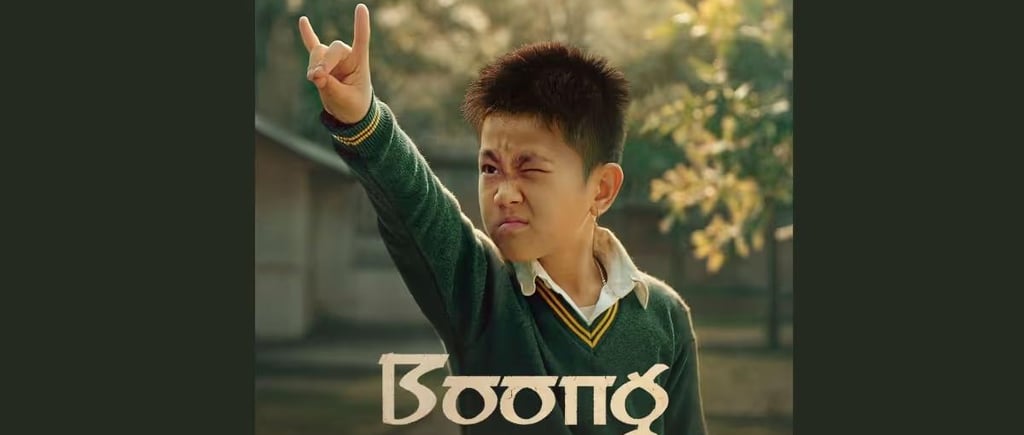
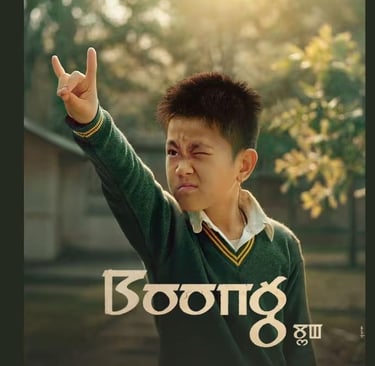
When the news broke that the Manipuri indie film Boong won the BAFTA for Best Children’s & Family Film, it felt unreal. For many people in Manipur, and for lovers of Indian independent cinema, this was not just an award. It was a moment of pride. A small film from the hills of Northeast India stood on a global stage and was heard.
This win matters even more because it came from the Children’s & Family Film category at the BAFTA Awards. That category celebrates stories that speak to young people and families. It honors films that are honest, warm, and meaningful. Boong fits that space perfectly.
A Small Film With a Big Heart
Boong is not a loud film. It does not rely on big stars, flashy scenes, or heavy action. It tells a simple story. But it tells it with truth.
The film is directed by Laxmipriya Devi. She is known for telling stories rooted in Manipuri life and culture. In Boong, she focuses on childhood, identity, and belonging.
The screenplay is written by Laxmipriya Devi along with Nanao Sagolsem. Together, they build a story that feels real. The film is produced by Priyakanta Laishram, who has been working to bring more attention to cinema from the Northeast.
The cast includes young actors from Manipur who bring raw energy to the screen. Their performances do not feel trained or forced. They feel lived in. Honesty is one of the strongest parts of the film.
What Is Boong About?
Boong follows the journey of a young boy growing up in Manipur. He struggles with change. He feels the push and pull between tradition and modern life. He watches the adults around him deal with social and political challenges. Through his eyes, we see how conflict and uncertainty affect children.
The title “Boong” carries cultural meaning. It connects to local language and identity. The film gently explores what it means to grow up in a place that often feels forgotten by the rest of the country.
The boy at the center of the story is curious and sensitive. He loves his family. He wants to understand the world. But he also feels confused and alone at times. These emotions are universal. That is why audiences across countries connect with the film.
The Setting Is a Character
Manipur is not just a background in this film. It feels alive. The green hills, small homes, narrow roads, and quiet rivers all shape the mood. The visuals are soft and natural. The camera does not rush. It takes its time. We see children walking to school, families cooking together, and moments of silence. These details help viewers feel the place.
For many people outside the Northeast, this film is their first close look at everyday life in Manipur. That makes the film important. It builds understanding.
Strong Performances From New Faces
One of the most beautiful parts of Boong is the acting. The young lead actor carries the film with quiet strength. His eyes speak even when he says nothing. He shows fear, joy, anger, and hope in a very natural way.
The supporting cast includes local artists who understand the culture deeply. They bring small gestures and local expressions that make each scene feel true. There is no overacting. The emotions feel close to home.
Director Laxmipriya Devi gives space to her actors. She allows silence. She allows pauses. This makes the film feel intimate.
Why the BAFTA Win Matters
The BAFTA Awards are among the most respected film awards in the world. Winning in the Children’s & Family Film category is not easy. The films in this category come from many countries. They compete with large productions that have big budgets and global marketing.
Boong did not have those advantages. It relied on storytelling and heart.
This win sends a message. It says that stories from small regions matter. It says that children’s stories do not have to be simple or silly to be powerful. They can talk about real issues. They can show pain and hope at the same time.
For Indian cinema, this is also a strong moment. While Bollywood often gets global attention, regional films sometimes struggle to be seen. Boong breaks that barrier.
Representation for the Northeast
The Northeast region of India has long felt underrepresented in mainstream media. People from Manipur often say that their stories are misunderstood or ignored. Boong changes that.
The film does not try to explain Manipur in a textbook way. It simply shows life as it is. It shows how children grow up in a region that faces political tension and social change. It shows how families protect each other.
By winning a BAFTA, the film gives visibility to the Manipuri language and culture. Young artists in the region now feel inspired. They see that their voices can travel far.
The Power of Simple Storytelling
Boong does not use heavy background music to force emotions. It does not use dramatic twists just to shock the audience. Instead, it trusts the story.
This simple style reminds us that cinema is not only about spectacle. It is about connection.
The writing stays close to the child’s perspective. We see what he sees. We feel what he feels. Adults in the film are not perfect. They make mistakes. They struggle. This makes the story more human.
In many ways, the film feels like a memory from childhood. It moves gently. It stays with you after it ends.
Impact on Young Audiences
Since its release, Boong has connected strongly with young viewers. Children see parts of themselves in the lead character. They understand his confusion and dreams.
Parents also relate to the film. They see how their actions affect their children. The film opens space for conversations at home.
Teachers and film groups have used Boong to talk about identity, empathy, and resilience. That is the power of a good family film. It brings people together.
A Win for Independent Cinema
Independent films often struggle with funding and distribution. Many talented filmmakers give up because they cannot find support. Boong proves that independent cinema can travel far. It shows that a film made with care can cross borders without losing its roots.
Producer Priyakanta Laishram and the team worked hard to take the film to international festivals. They believed in the story. That belief paid off.
The BAFTA win may open doors for more films from Manipur and the Northeast. It may encourage investors and platforms to look beyond big cities.
Cultural Pride and Global Connection
What makes Boong special is how it balances local culture with universal emotion. The film stays deeply Manipuri. It uses the local language. It shows local customs. It does not change itself to fit global taste.
Yet, audiences from different countries understand it. Why? Because childhood is universal. The need for belonging is universal. Fear and hope are universal.
That is the magic of good storytelling.
Looking Ahead
After the BAFTA win for Best Children’s & Family Film, expectations are high. Many people now watch the team’s next steps closely. Director Laxmipriya Devi has already expressed her wish to continue telling stories from the Northeast.
Young filmmakers in Manipur feel encouraged. Film schools and cultural groups in the region have started discussions about new projects. The energy feels different now. There is hope.
Boong may inspire a wave of new stories. Stories that are rooted, honest, and brave.
Final Thoughts
Boong is more than an award-winning film. It is a voice from the hills of Manipur that reached the world. It proves that you do not need a massive budget to touch hearts. You need truth.
By winning the BAFTA in the Children’s & Family Film category, Boong has carved its place in global cinema. It has made Manipur proud. It has given Indian independent cinema a powerful moment.
Most of all, it has reminded us that children’s stories matter. When we listen to them, we learn about ourselves.
And sometimes, a quiet story from a small place can echo the loudest.