How Nukkad Naatak Reached Big Theatres Against All Odds
Read to discover how Nukkad Naatak fought its way from indie cinema to big theatres and what it reveals about the rise of meaningful Indian independent films.
INDEPENDENT FILMINDIE ARTISTS
Mayank Thapa
2/12/20266 min read
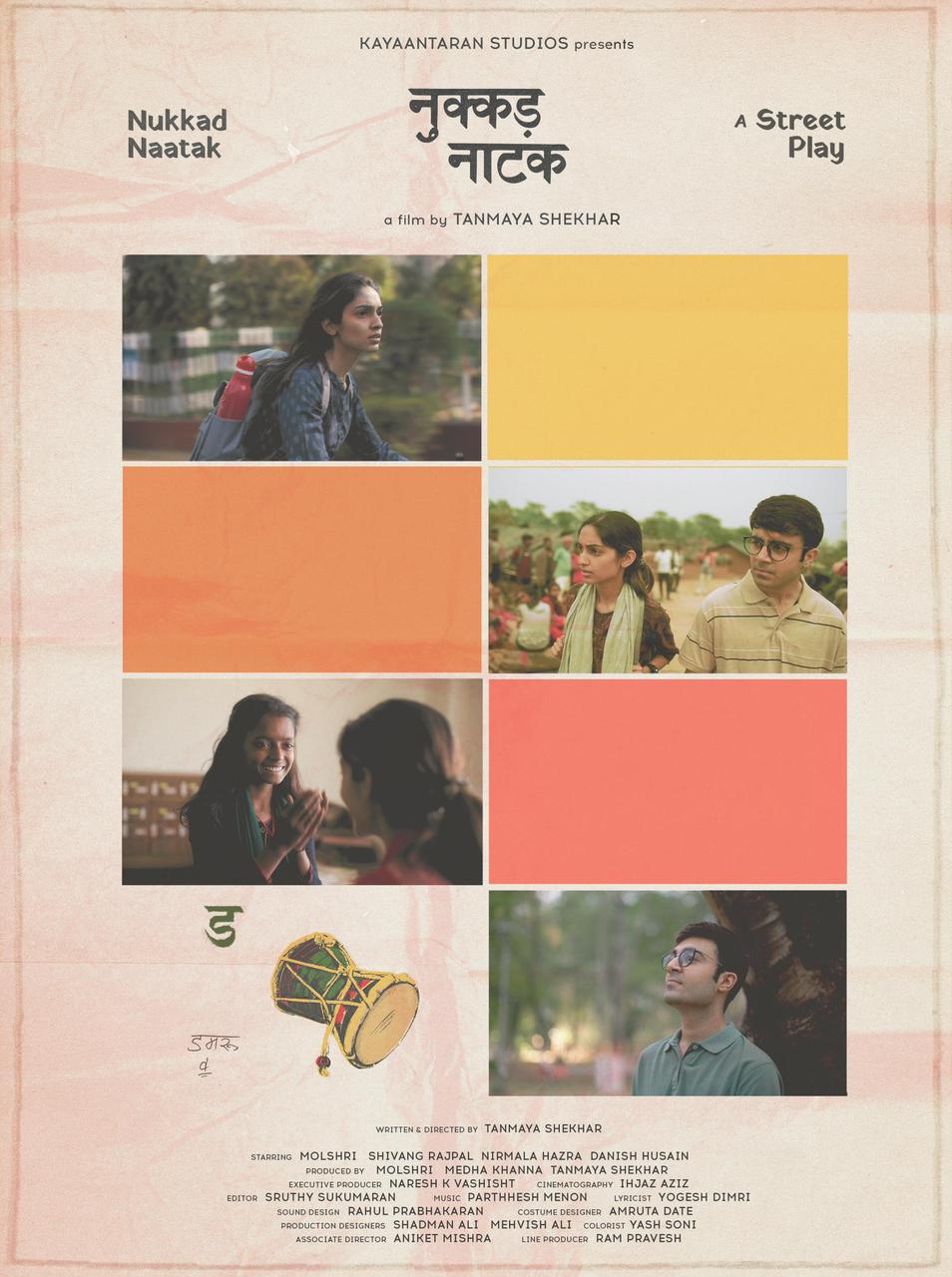

Nukkad Naatak and its struggle to reach big theatres
Nukkad Naatak is a small independent Hindi film made with a lot of heart but very little money. Films like this are not backed by big studios or famous stars. Because of this, their journey is never easy. The makers usually begin with a strong idea and social message, not with business plans or big marketing teams. That is exactly where the struggle begins.
The first big problem is money. Independent filmmakers often collect funds from friends, family, or small supporters who believe in the story. This means every rupee must be used carefully. Shooting days are short. Locations are real streets or schools instead of expensive film sets. Actors may be new or from a theatre background. They are talented, but they do not bring crowds to cinemas the way famous stars do. Because of this, people in the film industry often doubt whether such a movie can earn money.
After the film is completed, another difficult phase starts. Big cinema chains usually choose films that promise large ticket sales. They prefer action films, romantic dramas with stars, or sequels of popular movies. A quiet social film like Nukkad Naatak looks risky to them. So getting even a few screens in multiplex theatres becomes a long fight. Sometimes filmmakers wait many months just for a release date.
Film festivals become the only hope during this time. Independent films travel from one festival to another. If they win awards or receive praise, they slowly build trust. Critics write about them. Audiences at festivals talk about them. This attention helps convince distributors that the film is worth showing in theatres. But this process is slow and emotionally tiring. Many filmmakers feel lost during this waiting period.
Marketing is another heavy struggle. Big films spend huge amounts of money on posters, television ads, and online promotion. Indie films cannot do that. They depend on social media posts, interviews, and word of mouth. Sometimes the actors themselves promote the film in colleges or at small events. Even after so much effort, many people still do not hear about the movie. This makes theatre owners even more unsure.
So the journey of Nukkad Naatak into mainstream theatres is not just about art. It is about patience, belief, and survival. Reaching the cinemas itself becomes a victory for the whole team.
How independent films finally succeed commercially
Even with so many struggles, some indie films do find success. Their path is different from the big commercial cinema. They grow slowly, like a plant, not suddenly like fireworks.
The first step is strong storytelling. Independent films usually focus on real-life emotions, social truth, or deep human relationships. When the story feels honest, audiences connect with it. People may not rush on the first day, but those who watch often recommend it to others. This slow word of mouth is very powerful. Many successful indie films earned more money in later weeks than in their opening weekend.
The second step is film festivals and awards. Recognition from respected festivals works like a stamp of quality. It tells viewers that the film is meaningful. Awards also attract streaming platforms and foreign buyers. This opens new doors beyond theatres. Sometimes a film that struggled in cinemas becomes popular worldwide after coming online.
The third step is a smart release strategy. Instead of opening in hundreds of screens, indie films often begin with a few cities where audiences enjoy meaningful cinema. If the response is good, more screens are added. This careful growth reduces financial risk. It also creates a feeling that the film is special and worth watching.
Another important factor is audience change. In recent years, many young viewers have started liking realistic stories. They want films that show true problems of society, not only fantasy romance or action. Because of this shift, independent cinema is slowly gaining respect. Social media discussions also help small films reach large audiences without spending huge amounts of money.
Streaming platforms have changed everything, too. Earlier, if a film failed in theatres, its journey ended. Now, digital release gives a second life. A movie can become famous months later. Good content eventually finds viewers somewhere. This hope keeps indie filmmakers moving forward.
So, commercial success for indie cinema does not always mean huge box office numbers. Sometimes success means recovering costs, reaching a wide audience, and creating long-term respect. For filmmakers, that is enough to continue telling honest stories.
Faces, Vision, and Awards Behind Nukkad Naatak
Every independent film carries the dreams of the people who create it. Nukkad Naatak is shaped by a small but deeply committed team that believed in the story even when money and support were limited. The film is directed by Tanmaya Shekhar, whose vision focuses on honesty, social reality, and emotional truth instead of commercial glamour. Even as a debut filmmaker, his work has already received strong festival recognition. The film earned the Special Jury Prize at the Kolkata International Film Festival, and he was also nominated for Best Debut Director at the Jagran Film Festival. These achievements are very important for a new indie director trying to enter mainstream cinema.
The lead roles are played by Molshri and Shivang Rajpal, who bring simple and natural performances to the screen. Their acting feels real and close to everyday life, which helps audiences connect deeply with the story. Molshri’s performance has received international recognition, including Best Actor honors at the Indo-German Film Festival Week. The film itself was also awarded Best Social Impact Film at the same international platform. These awards are meaningful because they celebrate emotional truth and social message rather than commercial popularity.
Beyond individual awards, Nukkad Naatak has been officially screened at respected festivals such as the UK Asian Film Festival and other independent cinema showcases. Festival screenings help a small film gain trust, visibility, and critical appreciation. This recognition slowly opens the door for theatrical release and wider audience reach.
Because the film does not depend on celebrity names, the success of these artists becomes even more meaningful. Their growing list of festival awards, nominations, and international screenings proves that honest storytelling and sincere acting can still shine in Indian cinema. It also creates new opportunities for them to continue working in thoughtful and socially meaningful films.
In many ways, the journey of the artists and the director is the same as the journey of Nukkad Naatak itself. Quiet struggle, deep belief, and slow recognition. That shared journey gives the film its true emotional strength, both on screen and beyond it.
Comparing Nukkad Naatak with other Indian indie films that reached mainstream theatres
To understand Nukkad Naatak better, it helps to look at other Indian independent films that walked a similar road and finally entered big theatres.
One strong example is Masaan. This film also began as a small project with new actors and a serious theme about life, loss, and social barriers. It first gained attention at international film festivals, where it won awards and praise. Only after this recognition did Indian theatres agree to release it. Even then, the opening was small. But emotional storytelling and strong performances touched audiences deeply. Slowly, the film became widely respected and earned good money compared to its low budget. Like Nukkad Naatak, its power came from honesty, not glamour.
Another example is The Lunchbox. This gentle story about two lonely people connecting through letters had no big action or drama. Distributors were unsure at first. But festival success and beautiful storytelling created global curiosity. When it was released in India, audiences supported it strongly. Word of mouth helped it run in theatres for many weeks. Compared to Nukkad Naatak, this film had slightly more urban appeal, but both share emotional simplicity and human warmth.
Newton is also similar in spirit. It focused on democracy and elections in a remote forest area. The subject sounded serious and risky. Still, the film received international praise and even represented India at the Oscars. This recognition pushed theatres to screen it. Audiences appreciated its honesty and quiet humor. Like Nukkad Naatak, it proved that meaningful cinema can survive among commercial films if given a chance.
There are differences, too. Some earlier indie successes benefited from known producers or stronger festival publicity. Nukkad Naatak appears to come from an even more grassroots level, which makes its struggle harder. But this also makes its journey more inspiring. It represents a new generation of filmmakers who are trying to speak about education, inequality, and youth responsibility in a simple way.
Another difference is time. Today’s indie films compete not only with big cinema but also with endless online content. Attention spans are shorter. Marketing noise is louder. So breaking into theatres now may be even more difficult than before. If Nukkad Naatak manages to reach a wide audience, its achievement will be very meaningful for future small filmmakers.
Still, one strong similarity connects all these films. None of them depended on stars or spectacle. Their strength was truth. They trusted viewers to feel emotions quietly. And when audiences responded, the success felt more personal and lasting.
Closing thoughts
The story of Nukkad Naatak is not just about one movie. It reflects the larger journey of independent cinema in India. These films are born in struggle. They grow through patience. They survive because some people still believe stories should speak about real life.
Breaking into mainstream theatres is never easy. Money is limited. Screens are few. Promotion is weak. Many doors close before one opens. Yet history shows that honest storytelling can still win. Films like Masaan, The Lunchbox, and Newton proved this earlier. Nukkad Naatak now walks the same difficult road.
Commercial success for indie cinema may look small compared to blockbuster numbers. But its emotional success is often much bigger. When even a few viewers leave the theatre thinking deeply about society or kindness, the film has already achieved something special.
Maybe that is the true victory of independent films. Not a loud celebration, but a quiet change in the hearts of people. And if Nukkad Naatak can do that, its long struggle to reach the big screen will be completely worth it.